Tips for Choosing the Right Electrical Contractor for Your Home
Selecting the right electrician for household requirements is a vital decision. Many homeowners overlook essential factors, leading to costly mistakes. It's essential to take into account experience, credentials, and reputation. Understanding what to prioritize can significantly affect the outcome of a job. Property owners should also be knowledgeable about key questions to ask during evaluations. With careful planning, the process can lead to a rewarding collaboration. What steps can ensure this selection is the best one?
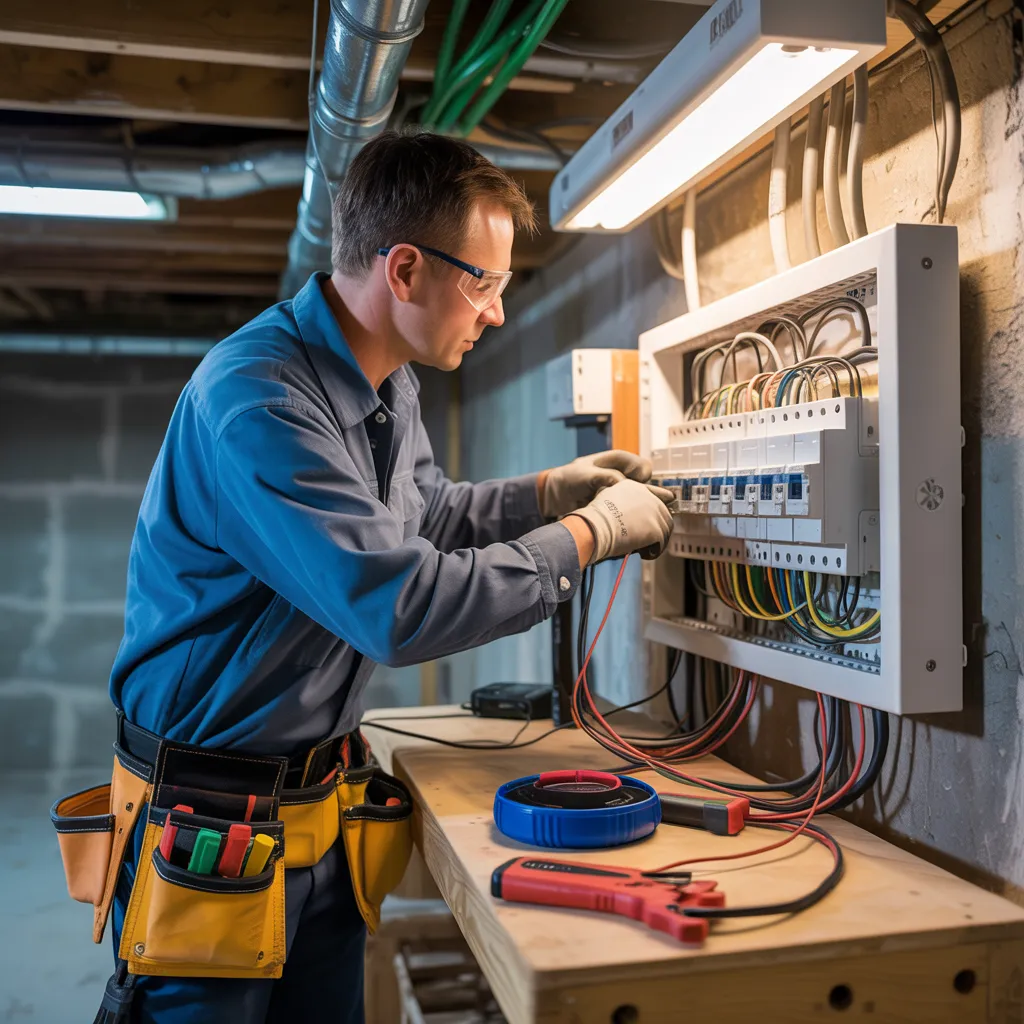
Common Mistakes When Hiring an Electrical Contractor
When hiring an electrical contractor, how can individuals prevent frequent errors? A large number of people fail to recognize the significance of verifying credentials, which may result in employing unqualified workers. Not confirming licenses and insurance can create liability concerns should accidents happen during the work. Additionally, neglecting to read reviews or seek referrals can result in choosing someone with a poor track record.
A further typical mistake concerns not obtaining multiple quotes. Relying on a single estimate can lead to overpaying or receiving subpar service. Additionally, people frequently overlook the importance of clear communication. Vague project details can cause miscommunications and surprise charges. Lastly, a lack of a written contract is a critical error; it safeguards both sides and establishes defined expectations. By sidestepping these pitfalls, homeowners can secure a more positive and fulfilling outcome when engaging an electrical contractor.
What Should You Look for in an Electrical Contractor?
What key qualities define a reliable electrical contractor? To begin with, a well-established reputation is vital. Electrical contractors who receive favorable reviews and referrals prove their dependability and workmanship. Moreover, proper licensing and insurance play a significant role; they protect both the homeowner and the contractor in case of accidents or disputes.
Strong communication abilities are equally important, ensuring that the contractor understands project requirements and maintains open communication with the homeowner at every stage. Furthermore, a dedication to safety must be clearly demonstrated, with full observance of local codes and safety standards.
In the end, pricing transparency is vital; a trustworthy contractor provides clear estimates without hidden fees. By prioritizing these essential qualities—licensing, reputation, safety, communication, and transparency—homeowners can make informed decisions when selecting an electrical contractor, resulting in a successful outcome and complete peace of mind.
How Much Experience Does Your Contractor Need for Your Project?
The level of experience is crucial in assessing the appropriateness of an electrical contractor for a specific project. A contractor with considerable experience is often well-prepared to address different issues that might surface during the job. For simple jobs such as fitting fixtures or outlets, a contractor with several years of experience may be sufficient. However, for more demanding projects, such as overhauling a home's wiring or incorporating smart technology, a contractor with a solid track record, ideally five to ten years, is strongly advised.
Furthermore, the nature of job impacts the needed experience. Specific projects, like electrical work for commercial properties or green energy setups, demand contractors with specific expertise. Homeowners should also assess whether the contractor has experience with similar residential projects. In the end, evaluating a contractor's experience ensures that they possess the expertise and capabilities required to deliver quality results, consequently boosting overall safety and performance in electrical work.
Verifying Your Electrical Contractor's License and Insurance?
Before hiring an electrician, validating their license and insurance is vital for securing both safety and compliance with local codes and regulations. A legitimate license indicates that the contractor has met particular training and skill requirements mandated by state or local authorities. This not only guarantees quality workmanship but also protects the homeowner from potential liabilities.
Moreover, ensuring that the contractor maintains sufficient insurance, including general liability and worker's compensation, is crucial. This protection shields homeowners against financial liabilities stemming from accidents or damages that may happen during the project.
Homeowners ought to request copies of the licensure and insurance records, making sure they are up to date and valid. It is equally important to check for any complaints or disciplinary actions against the contractor through local licensing boards. By thoroughly verifying these credentials, homeowners can make well-informed decisions and protect their investment in electrical work.
Important Questions to Ask During Your Contractor Consultation?
Knowing the appropriate questions to ask during a contractor meeting can greatly impact the outcome of an electrical project. Homeowners are encouraged to ask about the contractor's background in comparable projects to evaluate their skill level. Requesting references can offer valuable information about past performance and client satisfaction. It is essential to talk about the project timeline, making sure that both parties have a mutual understanding. It is also advisable to clarify the scope of work, including specific tasks and materials to be used. Moreover, understanding the payment structure is key; discussing deposit expectations and billing stages can prevent future misunderstandings. Asking about guarantees valuable resource covering both labor and materials can provide peace of mind. Finally, addressing safety standards and local code requirements helps guarantee that the project follows all applicable guidelines, ensuring the safety of the home and its residents. Such questions establish the foundation for a successful partnership with the electrical contractor.
Tips for Negotiating With Your Electrical Contractor
Reaching an agreement with an electrical contractor necessitates a clear understanding of the scope of the project to prevent confusion. Clear and open pricing is critical for establishing trust and confirming that both sides are on the same page regarding expenses. Moreover, defining payment conditions from the start can minimize conflicts in the future and foster a more productive partnership.
Clearly Understand the Project Scope
Outlining the project parameters is vital when partnering with an electrical professional. A thoroughly established scope guarantees that all parties involved have a mutual understanding of the required work, timeframes, and individual responsibilities. Homeowners should detail their needs in specifics, including any unique needs or special considerations. This can avoid misunderstandings and future disagreements later on. Furthermore, it is wise to put everything in writing, including project milestones, necessary supplies, and obligations. By being clear about what the job requires, homeowners can encourage more meaningful dialogues and negotiations. Furthermore, a thoroughly described scope allows the electrician to give more exact quotes and timelines, ultimately contributing to a more effective project execution.
Share Pricing Information Transparently
As homeowners interact with their electrical contractor, pricing transparency becomes a vital factor for a successful relationship. Clear discussions about costs help prevent misunderstandings and build trust. Homeowners should request itemized estimates that outline labor, materials, and any potential extra charges. This level of clarity empowers them to compare estimates confidently and measure the contractor's trustworthiness. During negotiations, it is wise to ask about any available discounts or promotions to guarantee they receive fair value. Additionally, homeowners should not hesitate to seek clarification on any ambiguous charges. By encouraging transparent discussions around pricing, both parties can establish shared expectations, setting the stage for a successful project and favorable outcomes. In the end, pricing clarity can result in a more cohesive and positive contractor-client dynamic.
Set Payment Terms Upfront
Establishing payment terms in advance is essential for homeowners engaging with an electrical professional. Explicit financial expectations serve to prevent miscommunications later in the project. Homeowners need to address the overall cost, payment timeline, and approved payment options before the project starts. A well-structured agreement covering these details can benefit both parties, guaranteeing fair compensation for the contractor while the homeowner is fully informed of their financial responsibility. It is recommended to establish a payment structure that is tied to key stages of the project, such as a preliminary deposit with payments distributed across key completion points. In addition, homeowners are encouraged to question any possible additional expenses that may surface as the project unfolds, allowing for better financial planning and minimizing the chance of surprise costs.
Questions We Often Receive
What Types of Electrical Services Do Contractors Typically Offer?
Electrical contractors generally deliver services including the installation and repair of wiring, lighting, circuit breakers, and outlets, as well as maintenance, safety inspections, upgrades, and troubleshooting for residential, commercial, and industrial electrical systems.
What Is the Average Duration of a Typical Electrical Project?
A typical electrical project could span several hours to multiple days, depending on the complexity and scope of the work. Considerations including project scope and particular requirements play a major role in determining the total project duration.
What Steps Should I Take if I Notice Issues Once the Work Is Finished?
If issues arise after electrical repairs, the homeowner should immediately reach out to the contractor for resolution. Documenting the problems and any communication guarantees clarity, while being familiar with warranty conditions can assist in resolving issues efficiently.
Are There Any Warranties or Guarantees on the Work Performed?
Many electrical contractors give guarantees or warranties on their work, generally spanning 1 to 5 years. It is important for home owners to ask about these warranties before bringing on a contractor to confirm quality results and confidence.
Where Can I Find Reviews or References for a Contractor?
To discover reviews or references for a contractor, one may browse online platforms, gather recommendations from friends or family, and inquire directly with the contractor for previous client testimonials or references to validate their credibility.